Dining Data Belongs to Restaurants. Now It's Powering Smarter Decisions
Every reservation, every order, every returning guest leaves a trail — what they ordered, when they came back, which table they preferred. For a long time that trail simply disappeared once the bill was paid. It lived in a POS report nobody read twice, or in a server's memory, which is real but doesn't scale past one shift.
That's starting to change, not because restaurants suddenly have more data, but because the data they've always generated is finally staying in one place long enough to be useful.
From records to decisions
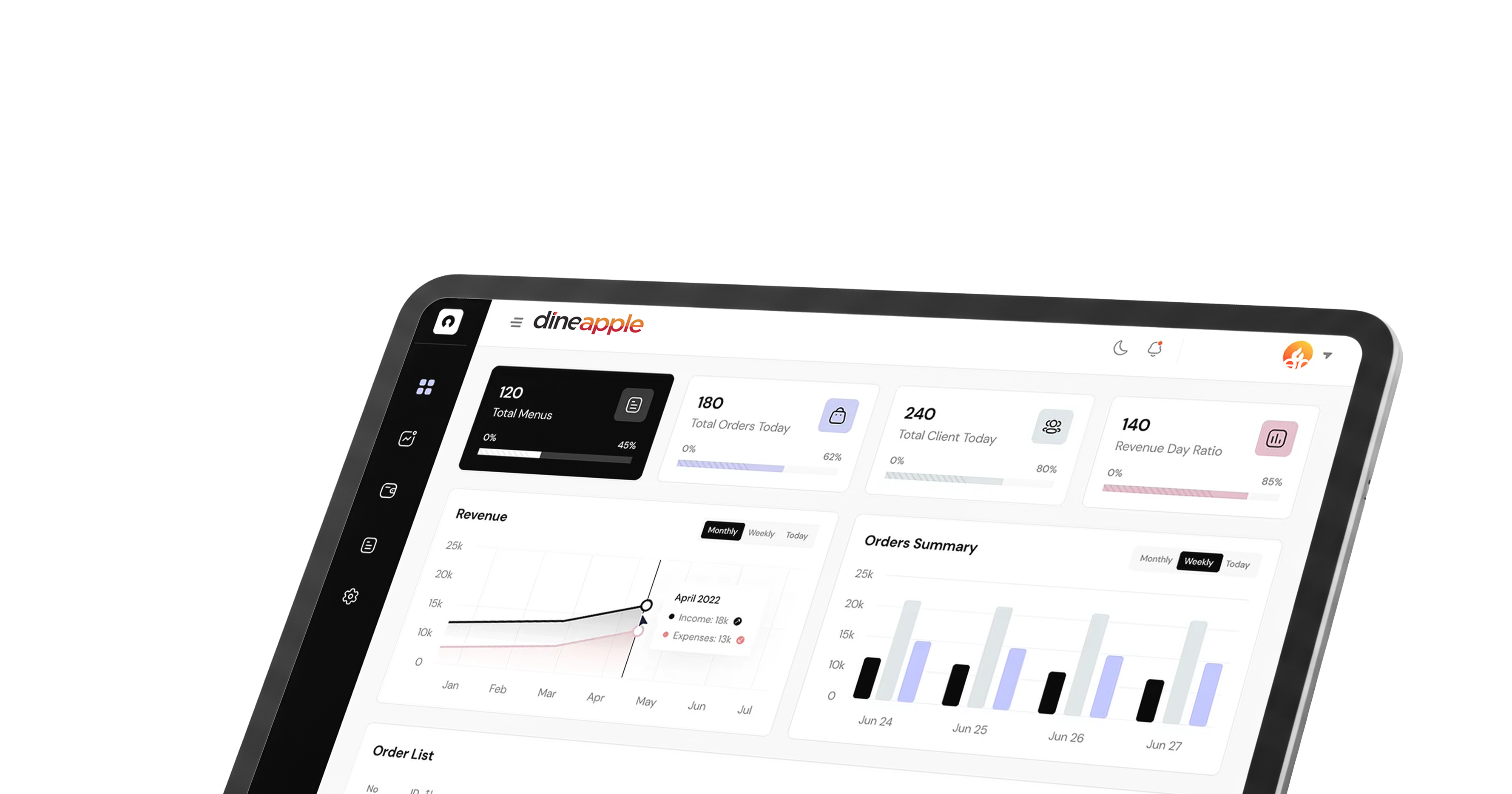
The useful version of this isn't a dashboard full of charts nobody opens on a busy Friday. It's smaller and more specific: knowing that a Tuesday lunch table consistently under-orders dessert, or that a particular menu item drives a disproportionate number of repeat bookings.
- Order history that follows a guest, not just a table number.
- A clear read on which menu items are actually driving repeat visits.
- Reservation patterns that inform staffing before they become a problem.
None of this requires a data team. It requires the ordering, reservation, and guest-history data to already be connected — so the decision is a five-minute look, not a project.